‘Mohammed’ for Trump, Senator for Michigan: Who is Abdul el-Sayed, really?

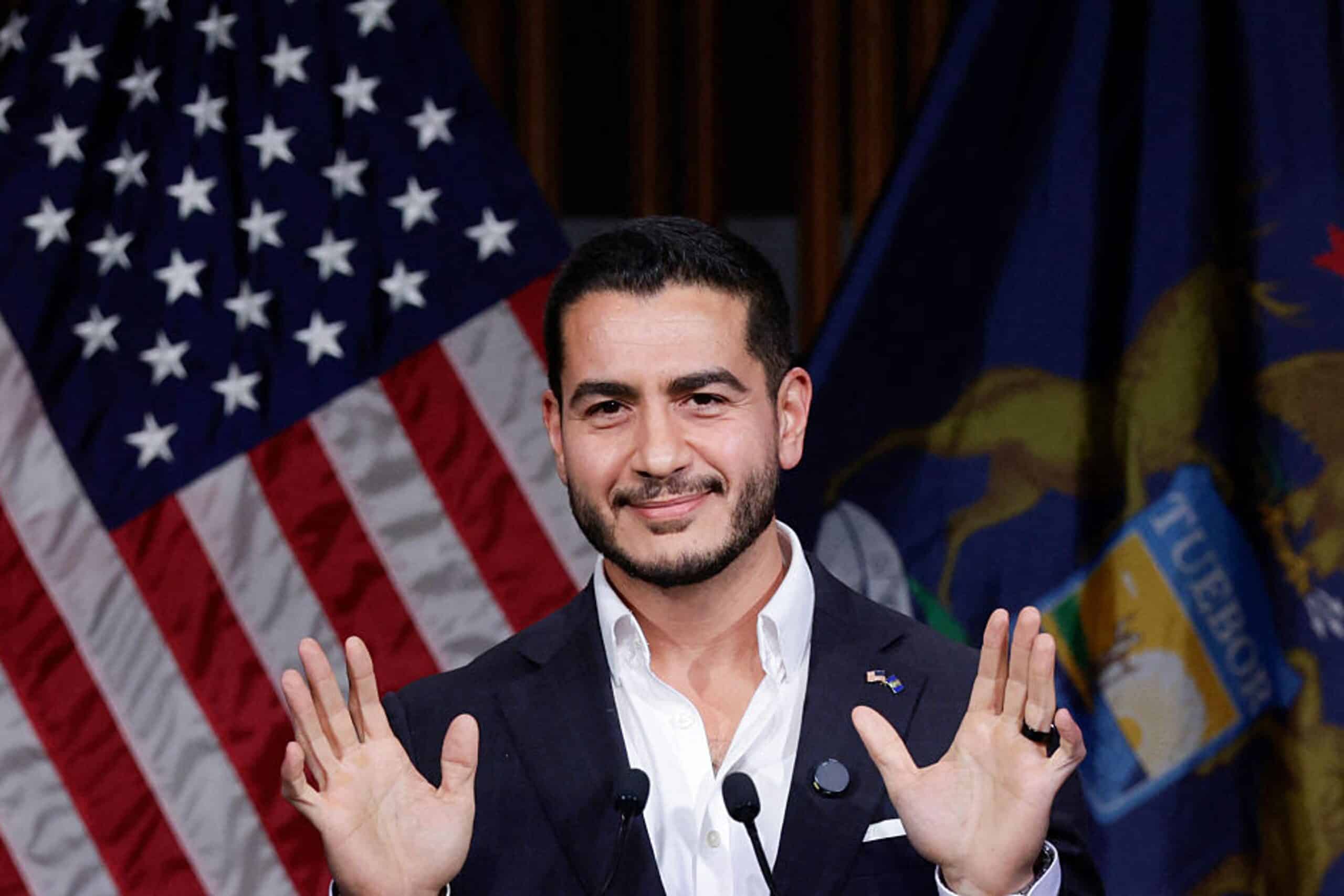
Donald Trump refused to call Abdul El-Sayed by his name, accused him of supporting extremists and warned that he should never enter the US Senate. Michigan voters have now elected him to it.
The 42-year-old Democrat defeated Trump-backed Republican Mike Rogers on 3 November, keeping Michigan’s Senate seat in Democratic hands.
But El-Sayed’s campaign was about more than winning an election. The former Detroit public health official challenged Trump over religion, joked about introducing «Shawarma Law» and promised to change how Americans pay for healthcare.
His victory also raises a question: how much of his ambitious agenda can he actually deliver in Washington?
- Trump called him Mohammed. El-Sayed had an answer
- From Sharia Law to Shawarma Law
- What does El-Sayed actually plan to change?
- Foreign policy as another source of disagreement
Trump called him Mohammed. El-Sayed had an answer
During an October rally in Tennessee, Trump deliberately called El-Sayed «Mohammed» instead of Abdul.
«I’m the president. I can call him whatever the hell I want,» Trump told the crowd.
The president also accused El-Sayed of supporting the Muslim Brotherhood, a political Islamist movement, and repeatedly called him a jihadist.
At another rally in Michigan on 25 October, Trump suggested that El-Sayed would need to pass through a metal detector before entering the Senate because he could not be trusted with national security information.
El-Sayed denied belonging to the Muslim Brotherhood. At a rally in Grand Rapids, he turned Trump’s refusal to use his name into a joke.
«I don’t even care that he remembers my whole name because he can just go on and call me ‘senator’ after November,» he said.
From Sharia Law to Shawarma Law
El-Sayed also responded to claims that he wanted to introduce Islamic law in the United States with a running joke about food.
During an April cooking video with food creator Summer Homayed, he dismissed questions about Sharia law and suggested something else instead: Shawarma Law.
He later repeated the joke during an interview with rapper Vic Mensa, saying Michigan already had a rule against putting lettuce in a shawarma wrap.
The joke spread online as Republicans continued attacking his Muslim identity.
The accusations partly relied on a video of El-Sayed speaking in Oklahoma in 2022. PolitiFact found that the recording had been taken out of context and that he had not called for Islamic law to replace US legislation.
After winning the election, El-Sayed again used humour in his victory speech in Detroit.
He introduced himself by his full name, Abdulrahman Mohamed El-Sayed, and joked about Vice President JD Vance having to swear him into office in January.
What does El-Sayed actually plan to change?
Behind the campaign jokes is a politician with proposals that could put him at odds with Republicans and some members of his own party.
Healthcare is his biggest priority. El-Sayed supports Medicare for All, which would replace much of the current insurance system with government-funded coverage.
During a September interview with CBS News, he argued that Americans already spend enormous amounts on healthcare, but much of that money goes to insurers, drug companies and hospital executives.
He believes a public system could reduce overall spending while making treatment available regardless of employment or income.
His plans also include restricting corporate donations to politicians, taxing billionaire wealth and making housing more affordable.
Foreign policy as another source of disagreement
El-Sayed has opposed US military funding for Israel and criticised its actions in Gaza, which he has described as genocide.
But he has argued that his position goes beyond Israel. Speaking to reporters in October, he said American taxpayers should not be paying for foreign militaries, including those of Egypt, Saudi Arabia, Qatar and the United Arab Emirates.
He has also criticised the Democratic Party itself. In an August interview with The New Yorker, he argued that Democrats needed to stop making compromises that prevented them from delivering major reforms.
El-Sayed has said he hopes to join the Senate committee responsible for health, education, labour and pensions. That position could allow him to question pharmaceutical executives and senior health officials, including Health Secretary Robert F. Kennedy Jr.
El-Sayed will take office on 3 January 2027, becoming the first Muslim to serve in the US Senate.
