Uzbekistan’s greatest luxury is authenticity, not imported brands
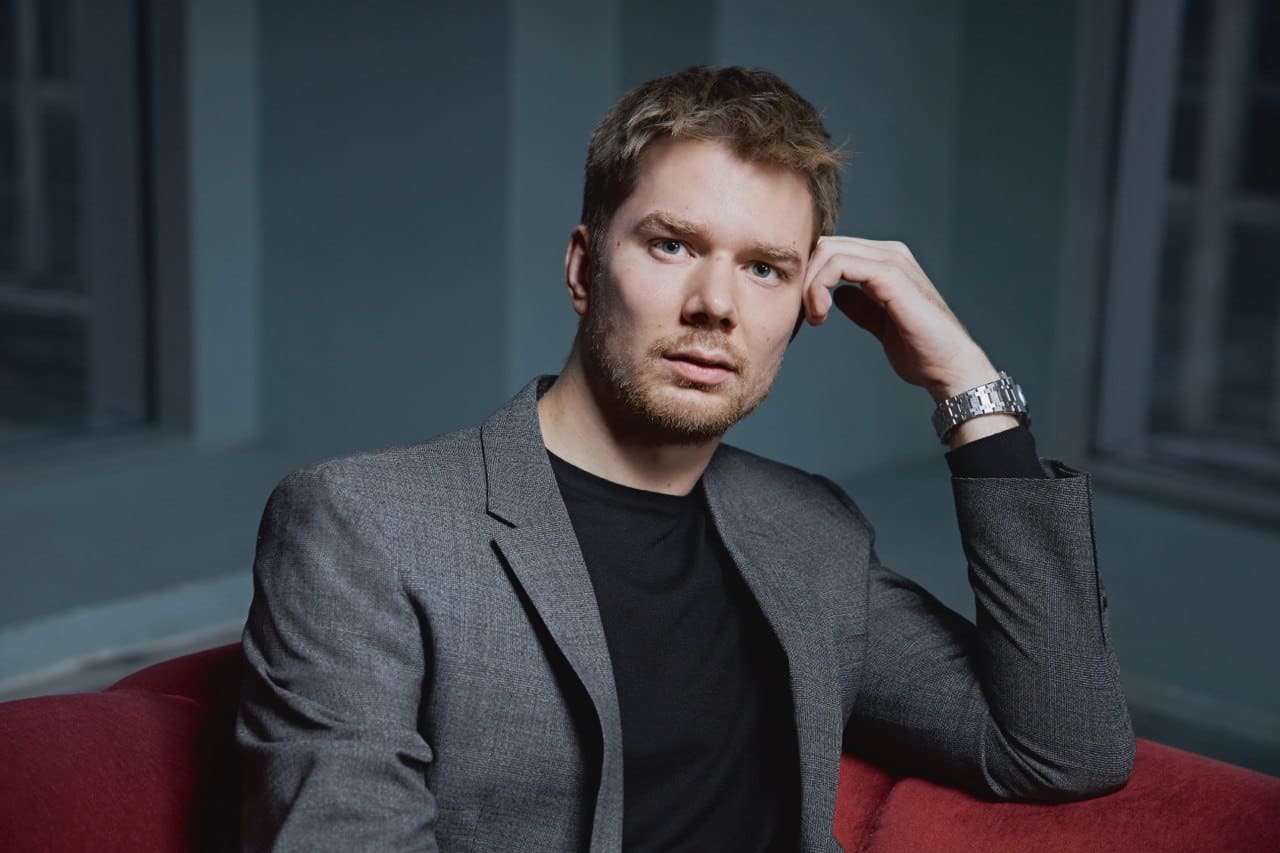
Anton Krasilnikov, a hospitality entrepreneur and founder of DaDa Travel, discusses why Central Asia has outgrown the ‘next frontier’ label, the future of luxury tourism, and the importance of preserving Uzbekistan’s cultural identity.
With a career spanning hospitality, gastronomy and premium travel, Anton Krasilnikov has built restaurants, launched tourism businesses and explored more than 40 countries in search of exceptional experiences. He believes Uzbekistan’s greatest competitive advantage is not luxury hotels or global brands but its authenticity, from living craftsmanship and cuisine to architecture and modern culture.
— Central Asia is often described as the “next frontier” for high-end travel. What has fundamentally changed in the region, particularly in Uzbekistan, compared with five or ten years ago?
— If I’m completely honest, Central Asia has been described as the “next frontier” for quite some time. In many ways, the region has already moved beyond that stage.
The biggest transformation over the past five to ten years has been infrastructure. Uzbekistan now has excellent high-speed rail connections, significantly improved airports and a growing number of high-quality hotels. At the same time, cultural events such as the Bukhara Biennial have begun attracting a genuinely international audience.
Overall, the region has become far more confident in presenting itself, particularly in the premium and luxury travel market.
— Luxury today is about far more than five-star hotels and Michelin-starred restaurants. What does luxury travel mean in the context of Uzbekistan?
— Luxury in Uzbekistan begins with heritage. The country has extraordinary living traditions of craftsmanship: ceramics, suzani embroidery, textiles, miniature painting and many other artisan practices. What makes them truly valuable is that they remain part of everyday life, passed from one generation to the next.
Another unique asset is Uzbekistan’s Soviet modernist architecture, which remains remarkably well preserved and attracts growing international interest.
Contemporary art is another strength. Uzbekistan has built a vibrant artistic community and presented an impressive national pavilion at the Venice Biennale under the curatorship of Aziza Kadyri. The country’s contemporary art scene is becoming increasingly visible on the international stage.
— Uzbekistan is investing heavily in tourism infrastructure. Which investments do you believe are strategically justified?
— I don’t closely follow every investment project, but several strategic decisions clearly make sense. Investment in rail infrastructure has dramatically improved travel between cities. Airport development has increased accessibility, while attracting international hotel brands has helped raise service standards.
The main risk, however, is one that many emerging destinations face: placing too much emphasis on international brands. Developing markets sometimes underestimate the value of their identity, assuming imported brands automatically represent quality. In my view, Uzbekistan’s greatest competitive advantage is precisely its authenticity, and preserving that should remain the priority.
— Global travel demand continues to evolve. How are changing traveller priorities affecting Central Asia?
— I can mainly speak about the luxury segment. At its core, luxury travel hasn’t changed. Affluent travellers still seek authenticity, privacy, meaningful cultural experiences and outstanding gastronomy.
One important global trend is wellness tourism. This is an area where Uzbekistan has significant long-term potential, although it has not yet become one of the country’s defining strengths.
— How would you assess Uzbekistan’s fine dining and gastronomic scene?
— What I appreciate most is that Uzbekistan hasn’t tried to become a fine dining destination too quickly. Traditional cuisine remains authentic, and every region proudly preserves its own culinary identity. Bukhara’s plov differs from Samarkand’s, and every local community will passionately explain why theirs is the best.
Food continues to be an integral part of everyday culture rather than simply a tourism product. International restaurants are emerging, and there are attempts to reinterpret traditional cuisine through a more contemporary lens, but these developments are still at an early stage.
— What should international investors understand before entering Uzbekistan?
— The first thing investors should recognise is that Uzbekistan is still a Muslim country. Although it is a secular state, cultural traditions and religious values still influence consumer behaviour and business practices. Anyone entering the market should understand these local realities instead of assuming that business models successful elsewhere will automatically work here.
— How effectively is Uzbekistan using its history, cuisine and craftsmanship as economic assets?
— Uzbekistan is doing an excellent job. The country actively promotes its architecture, traditional crafts, contemporary art and museums as part of its international identity. The Savitsky Museum in Nukus has become a globally recognised cultural destination and has inspired numerous documentaries.
Uzbekistan is increasingly recognising Soviet modernist architecture as an important part of its cultural heritage, shifting its focus from redevelopment to preservation. This effort culminated in 2026, when UNESCO inscribed “Tashkent Modernist Architecture. Modernity and Traditions in Central Asia” on the World Heritage List.
The government also invests significantly in cultural initiatives. The Bukhara Bienniale, for example, received support at the highest level, which demonstrates that the government regards culture as a strategic national asset.
— How resilient is Central Asia compared with more established tourist destinations?
— I believe Central Asia has considerable long-term potential. Its international profile continues to grow. Recently, major cultural events such as the Bukhara Biennial and conductor Teodor Currentzis‘ performances in Tashkent have helped raise the region’s visibility.
However, compared with more mature destinations, Central Asia still hosts relatively few globally recognised events.
Looking at the broader luxury tourism market, several trends continue to shape demand:
- event-driven travel remains highly influential;
- art fairs, cultural festivals and major concerts continue attracting affluent travellers;
- personalised private travel experiences remain in strong demand;
- wellness tourism continues to grow rapidly;
- family travel focused on meaningful shared experiences is expanding;
- solo luxury travel is becoming increasingly popular.
Japan, for example, offers an illuminating example of overtourism. The government is actively encouraging travellers to explore destinations beyond Tokyo, Kyoto and Osaka. Regions such as Hokkaido are gaining popularity, particularly for luxury ski holidays and nature-based experiences.