
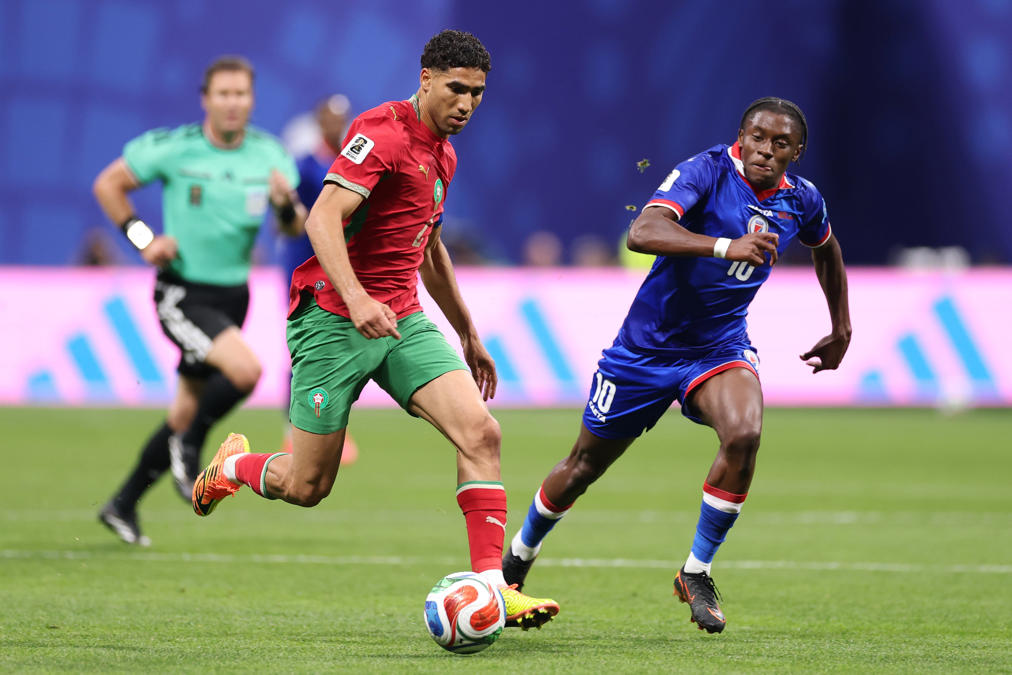
Morocco’s remarkable rise on the world stage is being hailed as a blueprint for African football after the Atlas Lions continued their impressive FIFA World Cup 2026 campaign by reaching the Round of 16.
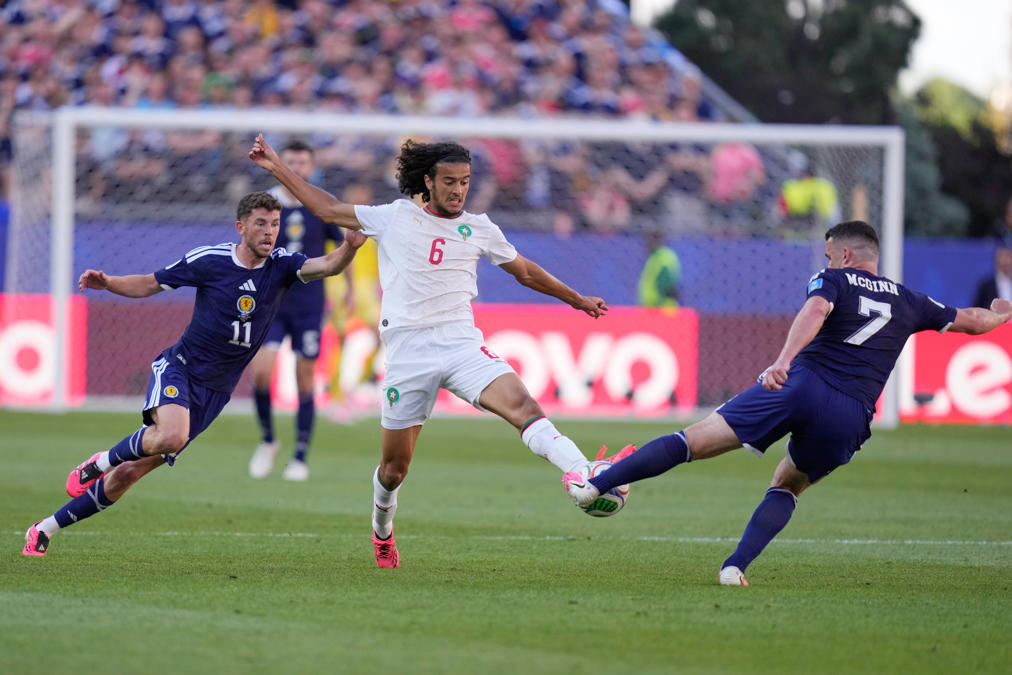
The North African side made history in 2022 by becoming the first African nation to reach a World Cup semi-final. Four years later, Morocco has shown that success was no one-off, with another strong tournament built on long-term planning, investment in youth development and effective talent identification.
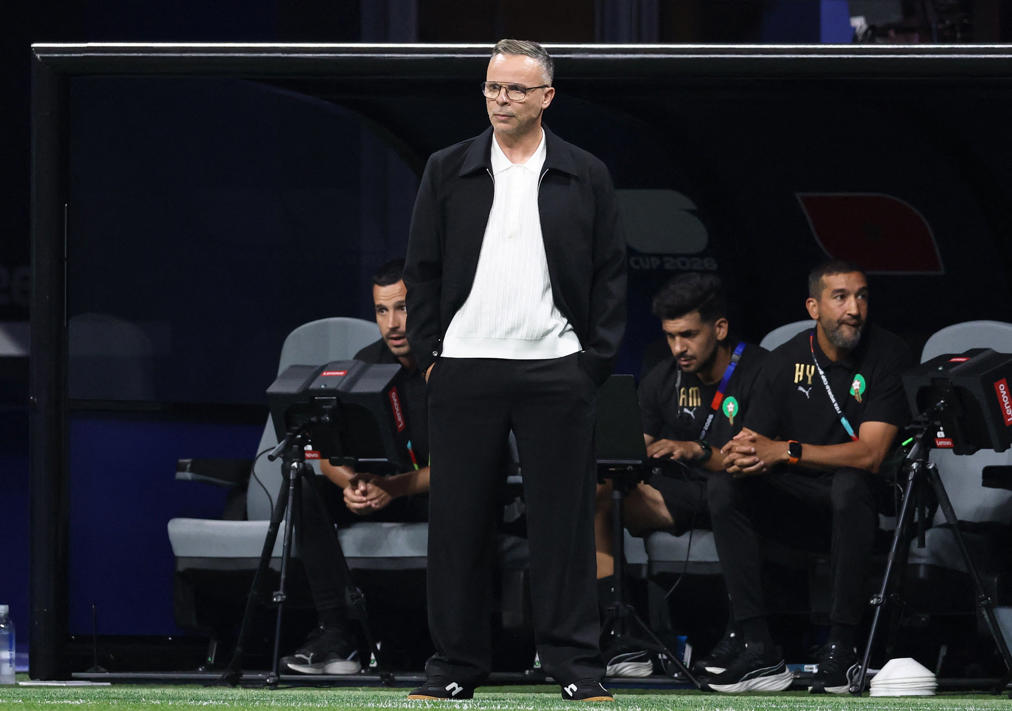
Much of the credit has been given to head coach Mohamed Ouahbi and the country’s football development strategy, which combines elite domestic academies with a successful approach to recruiting players from Morocco’s global diaspora. The system has produced a squad featuring stars from some of Europe’s biggest clubs while maintaining a strong national identity.
Morocco underlined its growing status by eliminating the Netherlands on penalties in the Round of 32 after a dramatic 1-1 draw. Goalkeeper Yassine Bounou once again proved decisive, helping the Atlas Lions secure a place in the last 16, where they will face co-hosts Canada.
Football analysts believe Morocco’s sustained success could reshape expectations for African nations at future World Cups. Rather than relying on individual generations of talented players, the country has built a long-term football ecosystem centred on coaching, infrastructure, scouting and youth development.
With Morocco also preparing to co-host the 2030 FIFA World Cup alongside Spain and Portugal, the Atlas Lions are increasingly viewed as one of the leading forces in global football and an example for other African nations seeking lasting international success.